

SVP pro technologie a rozvoj trhu

Viceprezident pro rozvoj obchodu v regionu LTM

Manažer místního technického marketingu
Kotle jsou navrženy tak, aby fungovaly ve stabilních podmínkách. V dnešní průmyslové realitě, kdy se provozy potýkají s neplánovanými odstávkami, sníženým zatížením a častým cyklováním, však kotle stále častěji pracují mimo svou komfortní zónu.
Mnoho provozovatelů podceňuje skutečnost, že k nejzávažnějším poškozením kotle často nedochází během provozu, ale při odstavení, konzervaci a opětovném spuštění. To bylo hlavní poselství nedávného webináře společnosti Kurita “Kotle v zátěži: Bezpečné vypnutí, konzervace a opětovné spuštění kotle“.
Zde je to, co by měl vědět každý vedoucí závodu, inženýr spolehlivosti a provozovatel kotle.
Vypnutí: Nejpřehlíženější vysoce riziková fáze
V každodenním provozu kotle využívají:
- Řízené teploty a tlaky
- Nepřetržitý oběh
- Pečlivě řízený chemismus vody
Během vypnutí jsou tato ochranná opatření oslabena nebo zcela zaniknou.
Výpadky jsou rizikové ze dvou hlavních důvodů:
- Nejsou rutinní. Obsluha je dobře vyškolena pro ustálený provoz a rozrušené podmínky, ale postupy pro odstavení a konzervaci jsou často méně standardizované nebo se uplatňují nedůsledně.
- Finanční dopady špatné volby jsou masivní. Korozní poškození vzniklá během odstávky se obvykle projeví až po opětovném spuštění - když se obnoví tlak, teplota a průtok. V tomto okamžiku mohou následky zahrnovat nucené odstávky, poruchy trubek, několikadenní odstávky a trvalé ztráty účinnosti.
V mnoha skutečných případech je investice 50 000 eur do správná konzervace zabrání milionovým ztrátám při opravách a výrobě.
Co se skutečně děje uvnitř kotle během odstávky
Při zastavení kotlů nebo při provozu na nízké úrovni se spouští několik korozních mechanismů. Horší je, že mnohé z nich probíhají současně.
Kyslíkové bodové poškození: Malé stopy, velké důsledky
I velmi malé množství kyslíku, které se dostane do kotle během odstávky, může vést k hluboké důlkové korozi. Tyto důlky fungují jako iniciační místa trhlin a často se během opětovného spuštění vyvinou v korozní praskání pod napětím.
Koroze pod nánosem: Skrytá, ale agresivní
Při zpomalení cirkulace se na kovových površích usazují suspendované částice. Pod těmito usazeninami:
- Kyslíkové koncentráty
- Místní pokles pH
- Hromadí se chloridy
Analýza vody může vypadat v pořádku, zatímco lokální koroze již postupuje.
Koroze urychlená průtokem po opětovném spuštění
Magnetitové vrstvy vytvořené během běžného provozu se během odstávky změkčují. Po obnovení průtoku, zejména v kolenech, ekonomizérech a vysokorychlostních zónách, se může úbytek kovu rychle zrychlit.
Tichý problém: nevidíte ho, dokud není příliš pozdě
Z webináře si odnášíme následující zásadní poznatek:
Většina koroze související s vypnutím zůstává až do opětovného spuštění neviditelná.
Chemický stav vody se může zdát přijatelný. Vizuální kontrola nemusí ukázat nic neobvyklého. Poškození se projeví až po opětovném tepelném a mechanickém namáhání systému.
Proč tradiční konzervace často selhává
Běžné konzervační metody - dávkování vysokého obsahu kyslíku, fosfátové programy, dusíková přikrývka - se zaměřují především na vlhké oblasti kotle.
Jejich omezení:
- Parovody, parní potrubí a kondenzátní systémy zůstávají zranitelné.
- Ochrana dusíkem končí ve chvíli, kdy se přikrývání zastaví.
- Vysoké anorganické zatížení zvyšuje vodivost a vyfukování.
- Startování je pomalé, s vysokým obsahem železa a opožděnou čistotou páry.
Tyto nedostatky se stávají kritickými a cyklický provoz nebo pohotovostní kotle, které jsou nyní v elektrárnách a průmyslových závodech stále častější.
Cetamine® Technologie: Jiný přístup
V čem se liší?
Hlavním tématem webináře bylo použití Cetamine® Technologie jako moderní řešení pro vypnutí, konzervaci, spuštění a nepřetržitý provoz.
- Vytváří hydrofobní ochranný film přímo na kovových površích.
- Film existuje ve vodní i parní fázi
- Těkavé složky chrání parní a kondenzační systémy
- Stejný výrobek lze použít pro provoz, konzervaci a opětovné spuštění.
Co vidí operátoři v praxi
Rostliny používající tento přístup hlásí:
- Výrazně nižší transport železa
- Snížení vyfukování a rychlejší spouštění
- Okamžitá kvalita páry vhodná pro turbíny
- Nižší spotřeba energie a vody
- Ochrana za mokra, sucha nebo stagnace.
V jednom z reálných příkladů, o který jsme se podělili během webináře:
- Doba spuštění se snížila z ~29 hodin až ~5 hodin
- Hladiny železa klesly z ~90 ppb až ~2 ppb
- Blowdown se snížil přibližně o 40%
- Cykly koncentrace se výrazně zvýšil
Rychlejší a bezpečnější restarty
V případě tradiční konzervace restart často znamená:
- Vypouštění a ředění
- Dlouhá doba vyfukování
- Opožděné přijetí na turbínu
S Cetamine® Technologie:
- Není nutné vypouštět vodu
- Hladina železa zůstává nízká
- Kvalita páry je dosažena mnohem rychleji
- Majetek je méně tepelně a mechanicky namáhán
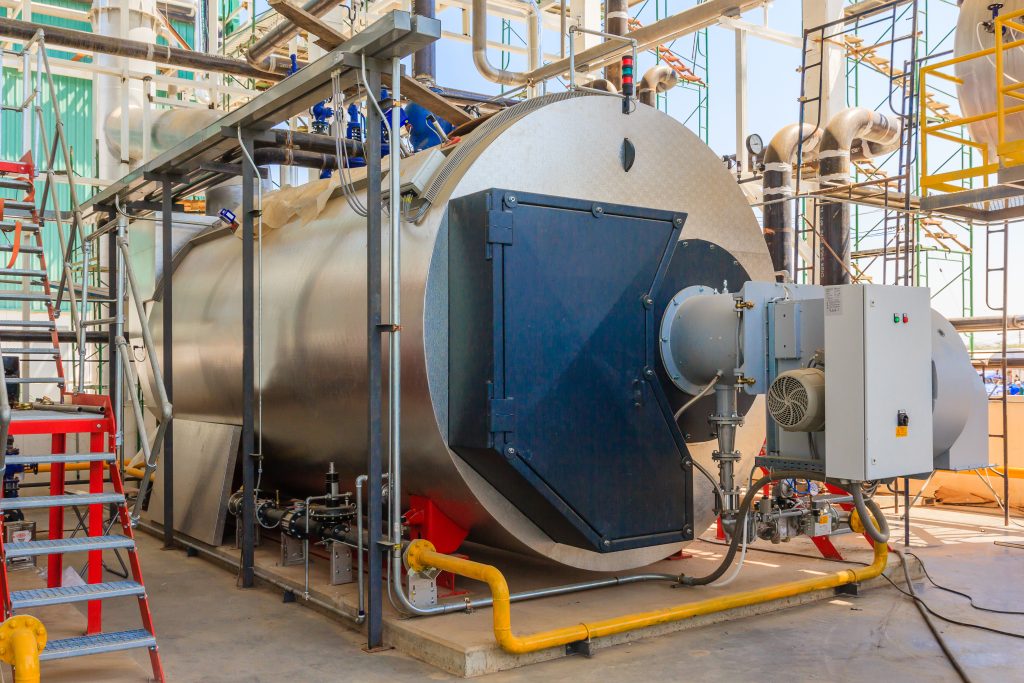
To je cenné zejména u rostlin, které se potýkají s časté cykly vypnutí a opětovného spuštění.
Monitorování během konzervace
Strategie ochrany je třeba přizpůsobit každé lokalitě, ale typické monitorování zahrnuje:
- pH
- Hladiny železa
- Zbytkový filmotvorný amin
- Vizuální kontroly nebo případné korozní kupony
Cíl je jednoduchý: potvrdit, že je ochrana přítomna a stabilní, i když je krevní oběh omezený nebo chybí.
Závěr: Shutdown není pasivní stav
Jedno sdělení z webináře jasně vyčnívá:
Odstavení není neutrální stav - je to jedna z nejrizikovějších fází životního cyklu kotle.
Koroze při vypnutí je:
- Rychle
- Často skryté
- Extrémně nákladné, pokud nejsou spravovány
Při správném plánování, definovaných postupech a moderních strategiích ochrany mohou provozovatelé:
- Vyhněte se neočekávaným selháním
- Rychlejší a bezpečnější restart
- Prodloužení životnosti majetku
- Snížení spotřeby vody, energie a chemikálií
Přeměna rizika vypnutí na spolehlivost
Ve světě rostoucí provozní nestability již není připravenost na odstávku volitelná - je základním prvkem spolehlivosti kotlů a kontinuity provozu.
Podívejte se na webinář