

Efficiency Product Manager
The Untapped Opportunity Inside Every Tire Plant
For tire manufacturers, reducing energy use without compromising product quality, production rates, or process reliability is an increasingly important operational priority. Because vulcanization is highly steam-intensive, improving heat transfer in existing curing assets offers a practical opportunity to support both efficiency and decarbonization goals.
Many conventional efficiency projects depend on new equipment, engineering capacity, shutdown windows and capital approval before savings can begin. Tire vulcanizers offer a different route: improving the thermal performance of assets already in operation.
Tire Vulcanizers: A Major Lever for Steam Savings
Vulcanization is one of the most steam-intensive operations in tire manufacturing. Steam transfers latent heat through the curing bladder and mold system to achieve the temperature conditions required for the curing cycle.
Traditional improvement programs often focus on boilers, distribution networks, insulation, and condensate recovery. These measures are important, but they may leave an additional opportunity inside the vulcanizer: the condensation mechanism at the heat-transfer surface.
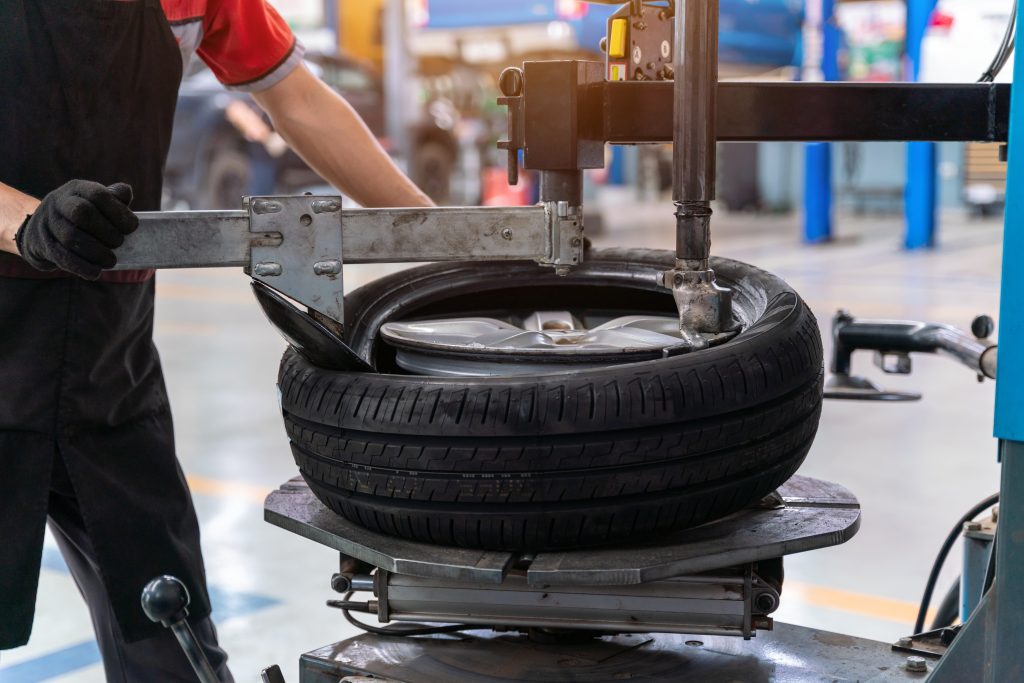
The heat-transfer opportunity
Under conventional conditions, condensate can form a continuous film on the surface. This layer adds thermal resistance. Kurita Dropwise Condensation Technology is designed to promote dropwise condensation and improve the utilization of the steam already supplied to the process.
The Advantage That Sets Kurita Dropwise Condensation Technology Apart
A key differentiator is the implementation model. Rather than relying on major capital equipment, extensive mechanical modifications, or an asset-replacement program, the Kurita approach is designed for application to existing vulcanizers with limited physical intervention.
| Decision Factor | Conventional Equipment Project | Kurita Dropwise Condensation Approach |
|---|---|---|
|
Capital Requirement |
Often requires dedicated CAPEX |
No major CAPEX or initial equipment investment |
|
Existing assets |
May require replacement or retrofit |
Works with existing vulcanizers |
|
Implementation |
Engineering and installation scope |
Limited physical intervention |
|
Production impact |
May require planned shutdowns |
Minimal operational disruption |
|
Value realization |
Savings follow project completion |
Savings opportunity starts after application and verification |
Decarbonization Without the Capital Barrier
Energy projects frequently compete with production investments for limited capital. Even technically attractive opportunities can be delayed when they require new hardware, lengthy approval processes or complex integration.
Kurita Dropwise Condensation Technology changes this equation. It enables tire manufacturers to pursue steam and CO₂ reduction using their existing curing assets, avoiding the large initial investment typically associated with heat-recovery equipment, new exchangers, or major steam-system modifications.
Commercial value proposition
The customer can target measurable operational savings without first funding a major capital project. This removes one of the most common barriers to industrial energy-efficiency implementation and supports faster scaling across multiple presses or plants.
Operational and Sustainability Benefits
- Reduced steam consumption
- Lower energy cost and CO2 emissions associated with steam generation
- Improved heat-transfer efficiency during the curing cycle
- Use of existing equipment without major mechanical redesign
- Minimal implementation time and limited disruption to production
- A scalable approach that can support plant-level and multi-site efficiency programs
Working with the Global Tire Industry
Kurita collaborates with tire manufacturers across major production regions through technical presentations, evaluations, industrial trials, and implementation projects. These activities help assess process compatibility, repeatability, and measurable performance under different operating conditions.
This broad industry engagement provides a strong foundation for continued validation, knowledge transfer, and the development of robust application practices for different vulcanizer designs and operating conditions.
GLOBAL REACH
Engagement across major tire-producing regions
INDUSTRIAL FOCUS
Application on operating curing assets
SCALABLE VALUE
Potential expansion from trial to fleet deployment
Building the Next Generation of Sustainable Tire Manufacturing
As energy costs and decarbonization expectations continue to shape the tire sector, the most attractive solutions will combine measurable savings, low operational risk, and limited financial barriers.
Kurita Dropwise Condensation Technology supports more efficient steam use in existing tire vulcanizers by improving condensation heat transfer. With limited physical intervention and no need to replace the curing equipment, it provides a practical pathway to lower energy demand and associated CO₂ emissions.
The strategic case
- No major CAPEX or initial equipment investment
- No replacement of the vulcanizer
- Minimal disruption to manufacturing operations
- Reduced steam demand and related CO2 emissions
- Fast, measurable value creation
- Experience developed with leading tire manufacturers worldwide
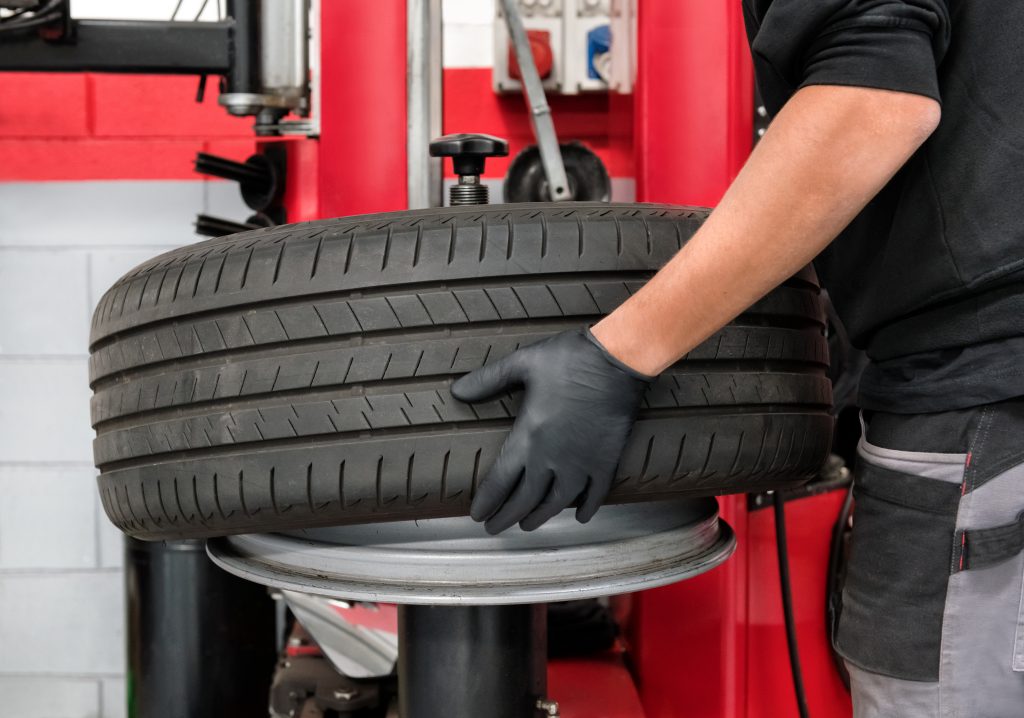
A strategic competitive advantage
Improving heat transfer in tire vulcanizers is more than an energy-saving measure. It is a practical route to stronger operational efficiency and faster decarbonization, without the capital barrier that delays many industrial energy projects.
How Much Could your Vulcanizers save?
Request a Kurita Dropwise Condensation Technology evaluation to assess the potential steam, energy-cost and CO2 savings for your vulcanizers under your actual operating conditions.
Contact Us